Media Posts
More de-escalation studies needed to ensure more personalised cancer care
March 31, 2026
Cancer treatment saves lives but can also cause long-term side-effects that patients will live with long after becoming cancer-free. To minimise these side effects, more research is needed to identify which patients can be cured with less aggressive treatment.
Today, some cancer patients receive higher doses of medication and radiation, or more invasive surgery than they actually need. This can lead to unnecessary side effects, long-term health problems, reduced work capacity and lower quality of life. Most cancer patients undergo standardised cancer treatment, although some could achieve the same outcome with less invasive surgery, lower medication or radiation doses, or shorter treatment duration.
Many cancer researchers are therefore working to identify which patients can safely receive less intense treatment with the same chance of cure. This type of research is known as de-escalation studies. Their goal is to improve patients’ quality of life after treatment, and ideally, enable them to return to the life they had before their cancer diagnosis.
To highlight the need for more and better de-escalation studies, the EU-funded Joint Action EUnetCCC – the European Network of Comprehensive Cancer Centres – organised a symposium on this topic at the Netherlands Cancer Institute in Amsterdam from 5-6 March 2026 in cooperation with the European Academy of Cancer Sciences (EACS).
De-escalation studies are key to minimise side effects
De-escalation studies are key to minimise side effects The Netherlands is among the countries in Europe that have had the most de-escalation studies to date, and the results of these studies do influence cancer treatment there, but often not in other countries.
Said Gabe Sonke, medical oncologists at the Netherlands Cancer Institute during his presentation at the symposium. He also explained why it is important to try to reduce the intensity, duration and dosage of cancer treatments to minimise side effects, while at the same time maintaining equivalent survival rates and efficacy.
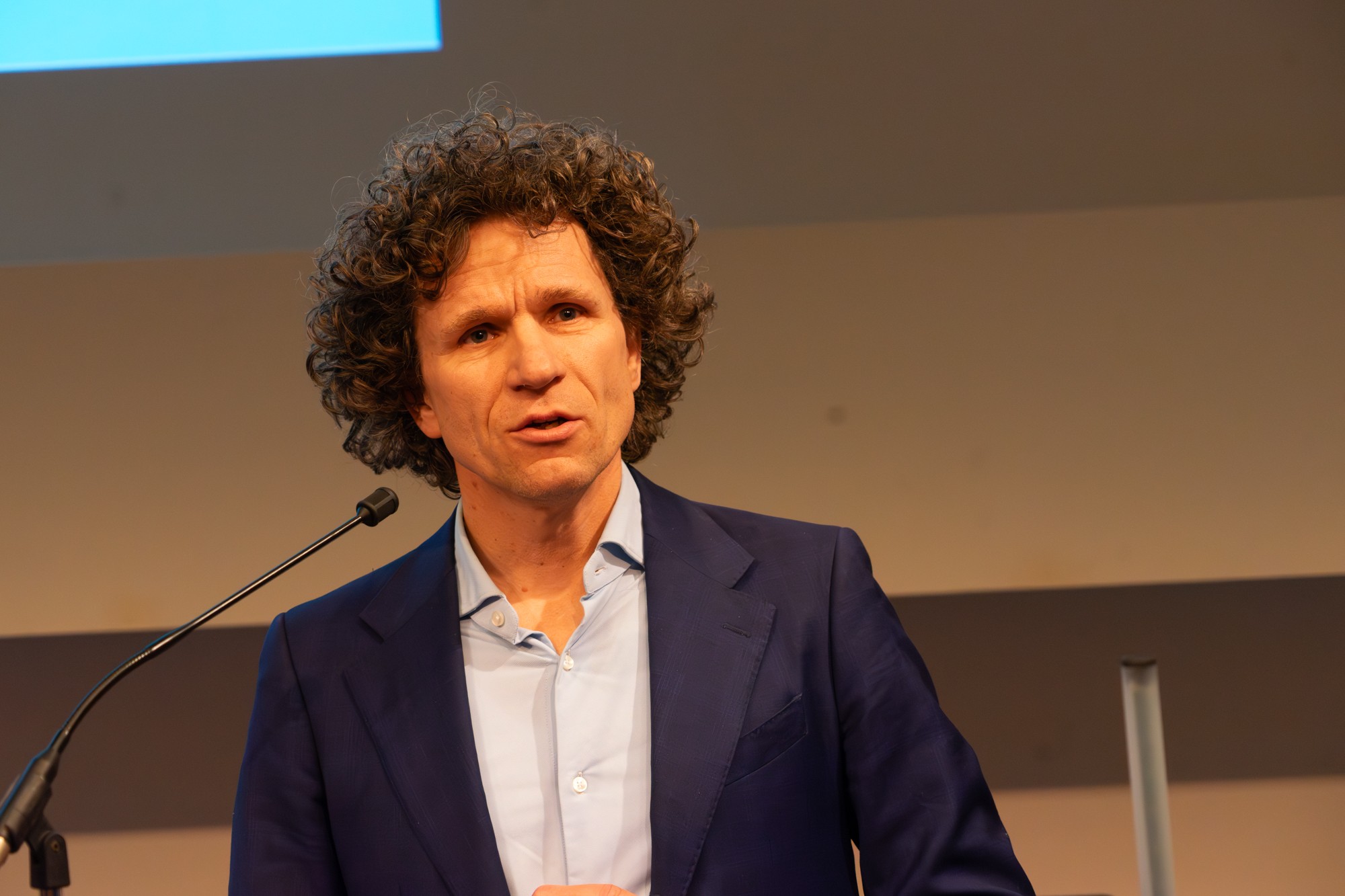
Gabe Sonke, medical oncologists at the Netherlands Cancer Institute
“Why should I give more intense treatment to my patients when they can get the same results with less treatment? Why expose them to more hospital visits and toxicity than necessary?”, Sonke asked.
Funding challenges
Funding challenges Although de-escalation studies are important, it is currently difficult to secure financing for them, Sonke said. “Raising funds for academic clinical trials is very hard. Raising funds for academic de-escalation trials is even harder. This is despite the fact that de-escalation trials could lead to huge cost savings due to lower drug doses and less therapies,” he said.
New European network for de-escalation studies in cancer care
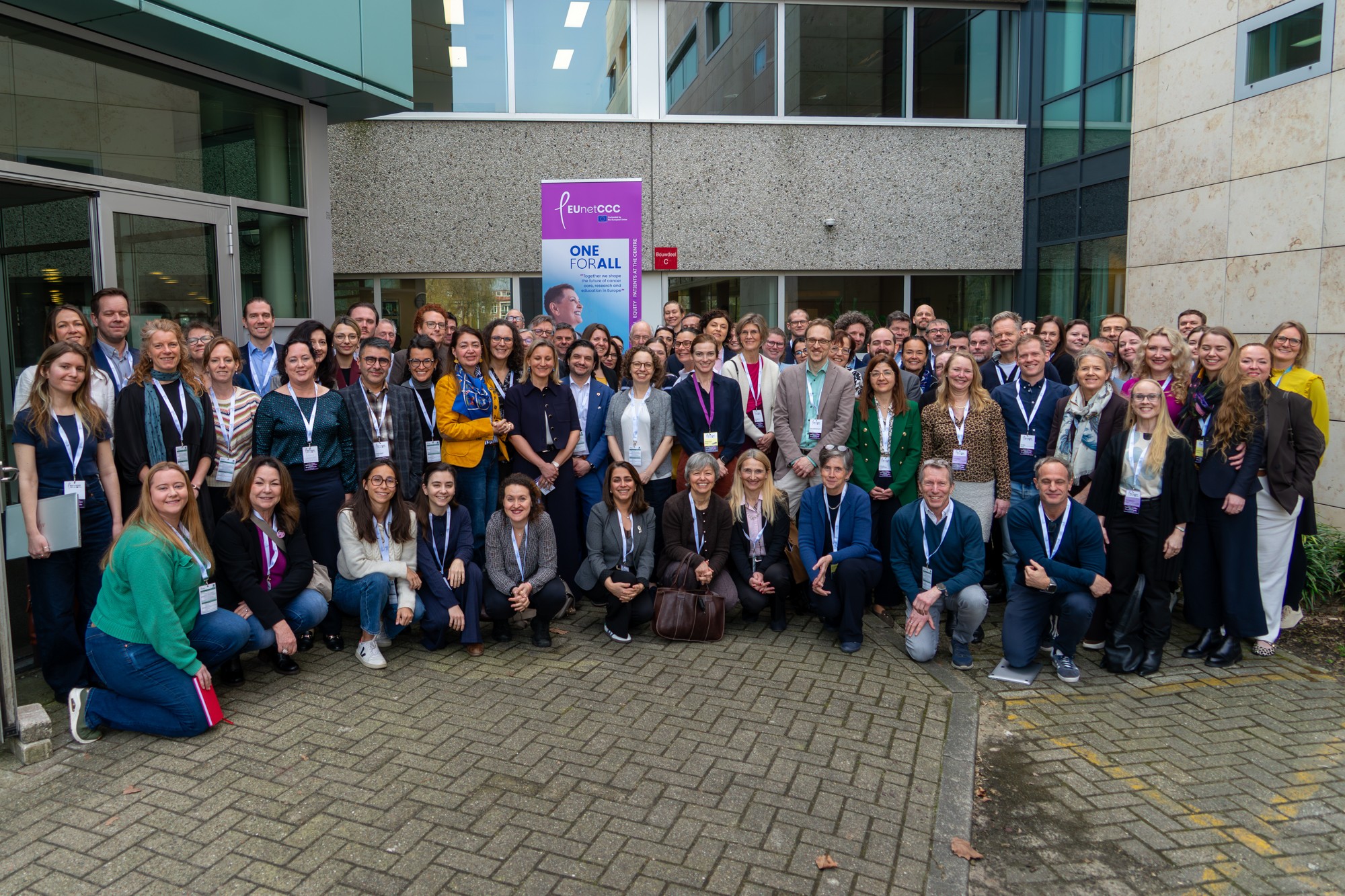
More than 125 participants from 25 European Countries attended the symposium, which marked the starting point for a new European network for de-escalation studies in cancer treatment.
“We hope our new network will lead to more de-escalation studies in the future, and that these will involve many more patients from a wider range of countries.”
Said Ieva Ailte, project manager for EUnetCCC at Oslo University Hospital, and one of the organisers of the symposium. “With a larger patient group, we can obtain results from these studies more quickly, and therefore also make changes to patient treatment in line with the findings more rapidly,” Ailte said.
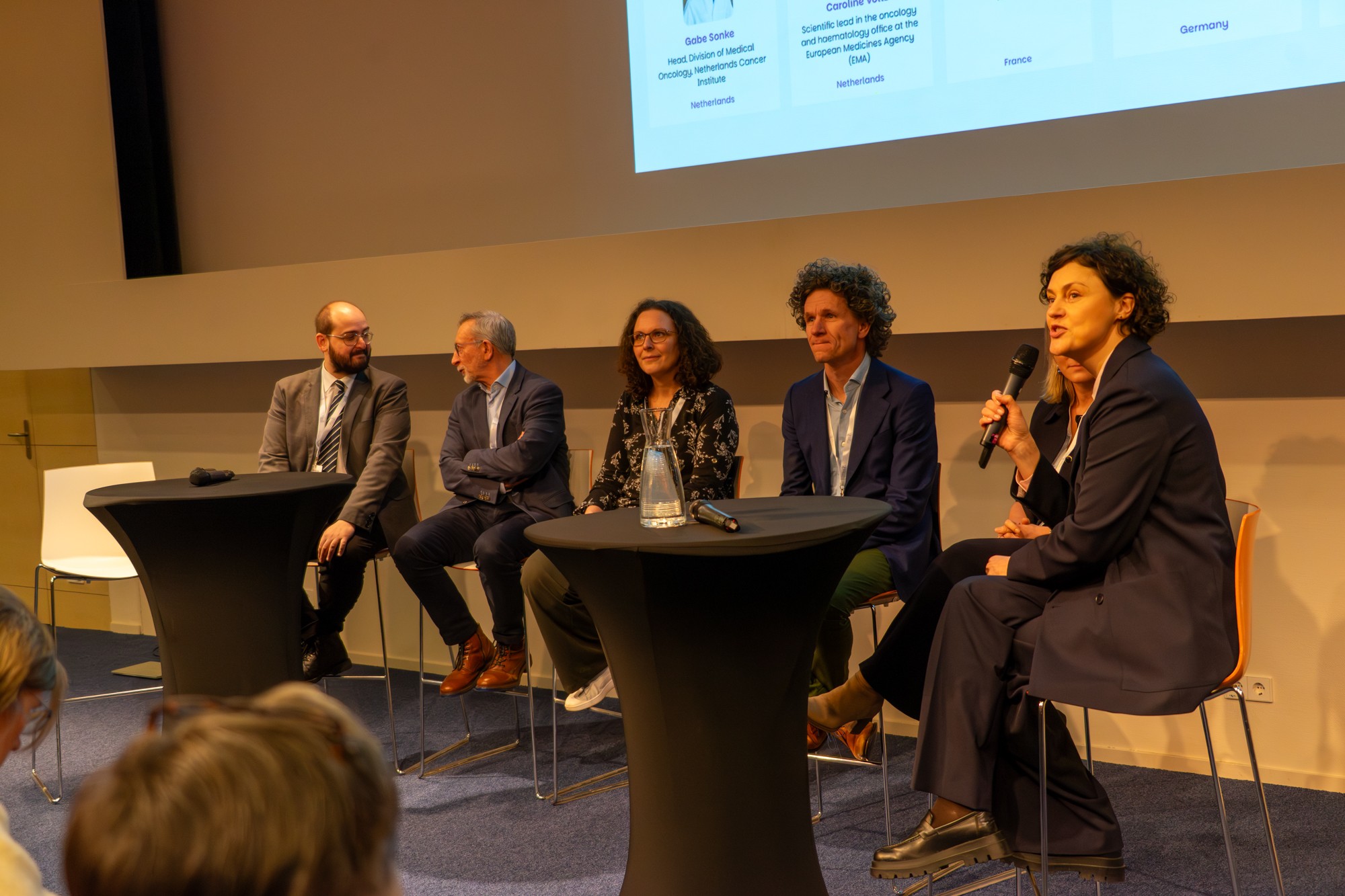
Panel debate at the Innovating Cancer Care Through De-escalation Studies Symposium in Amsterdam on 6 March.
From left to right: Dario Trapani (European Institute of Oncology), Denis Lacombe (European Organisation for. Research and Treatment of Cancer), Cindy Körner (Patient Research Council NCT, Heidelberg), Gabe Sonke (Netherlands Cancer Institute), Caroline Voltz (European Medicines Agency) and Edita Baltruškevičienė (Lithuania Cancer Institute).
Photo by: Iselin Rønningsbakk
“We need more high-quality de-escalation studies to ensure that reduced and more personalised treatment becomes a real option for those patients who could benefit from it.”
Added Kristin Austlid Taskén. She is a professor at the Institute of Cancer Research at Oslo University Hospital and also among the symposium organisers. “The system for implementing and financing new treatment options, and the support scheme for de-escalation studies must be improved so that we can reduce the risk of causing patients unnecessary harm during treatment,” Taskén said.
Going forward, the new network will organise several events, and all oncologists, cancer researchers, pharmaceutical companies, patient representatives and regulatory authorities who wish to participate will be welcome.